Planning a DECRA roof in Central Texas
What stone-coated steel is, and whether it suits your home.
DECRA is one of several metal roofing systems we discuss with Austin-area homeowners. It is the branded stone-coated steel option in our metal roofing catalog, alongside standing seam, R-panel and corrugated profiles. This guide explains how the product is built, how it compares with other metal, and what to settle before any material is ordered.
How stone-coated steel is built
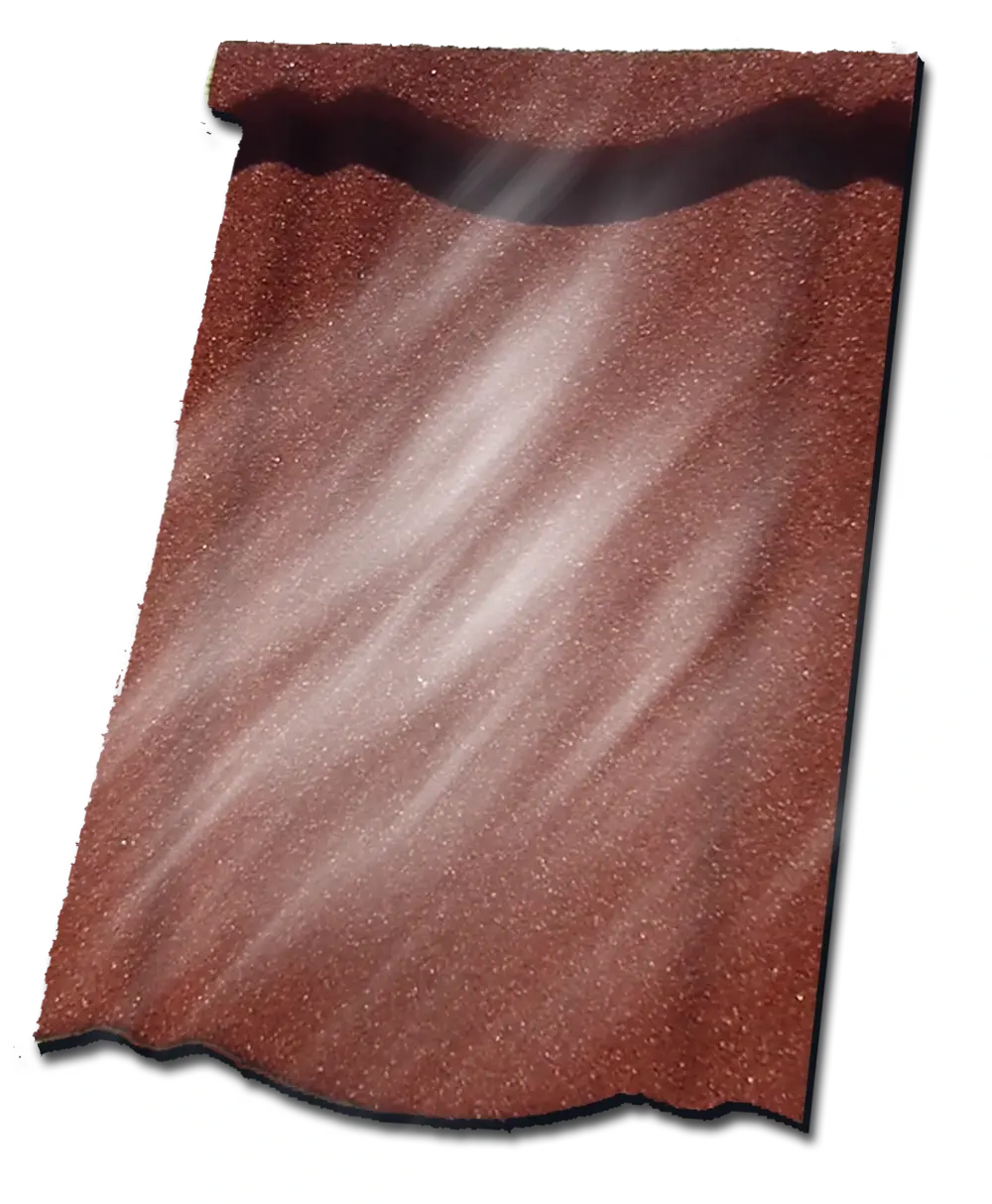
DECRA describes its panels as layered steel rather than a coated shingle. The base is structural steel sheet, hot-dip coated with a metallic layer of aluminum, zinc and silicon to resist corrosion. Both sides then receive an acrylic resin coating. On the weather side, an acrylic basecoat bonds natural stone granules coated with fade-resistant pigment, and an acrylic overglaze seals the surface. The steel is stamped into its profile before the coatings and granules are applied, which is why the finished panel reads as tile or shake rather than flat metal.
The profiles DECRA publishes
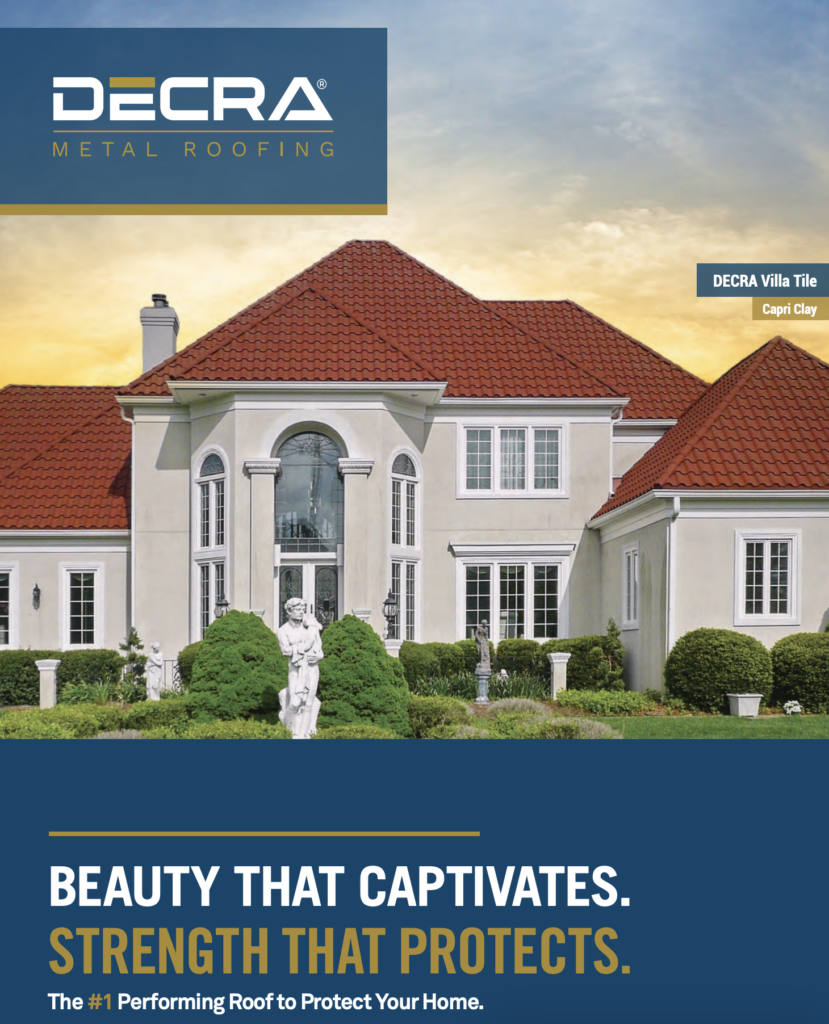
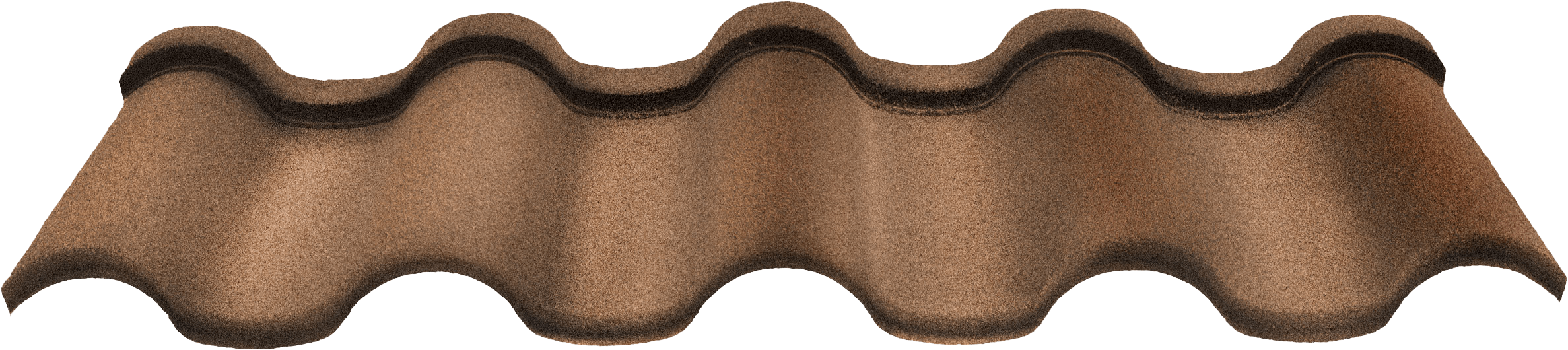
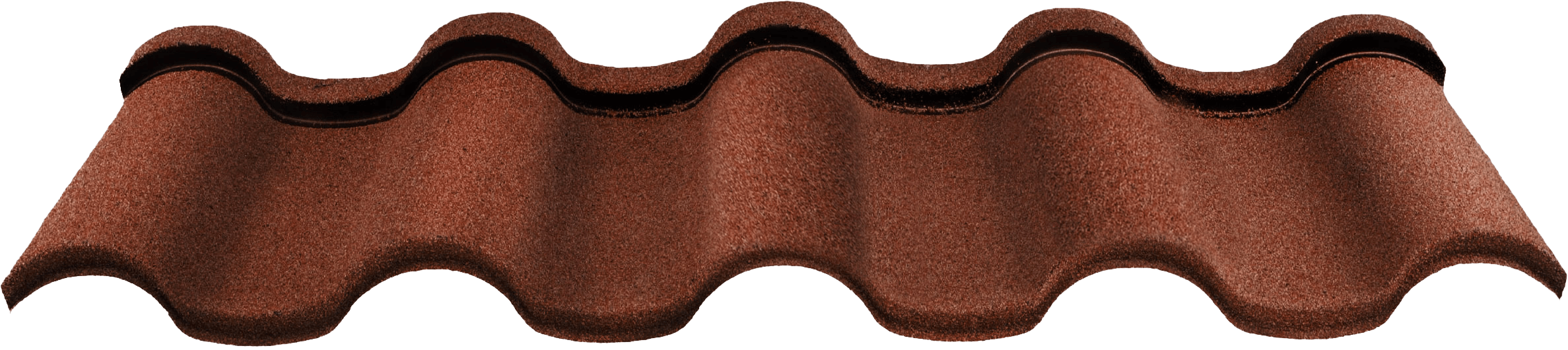
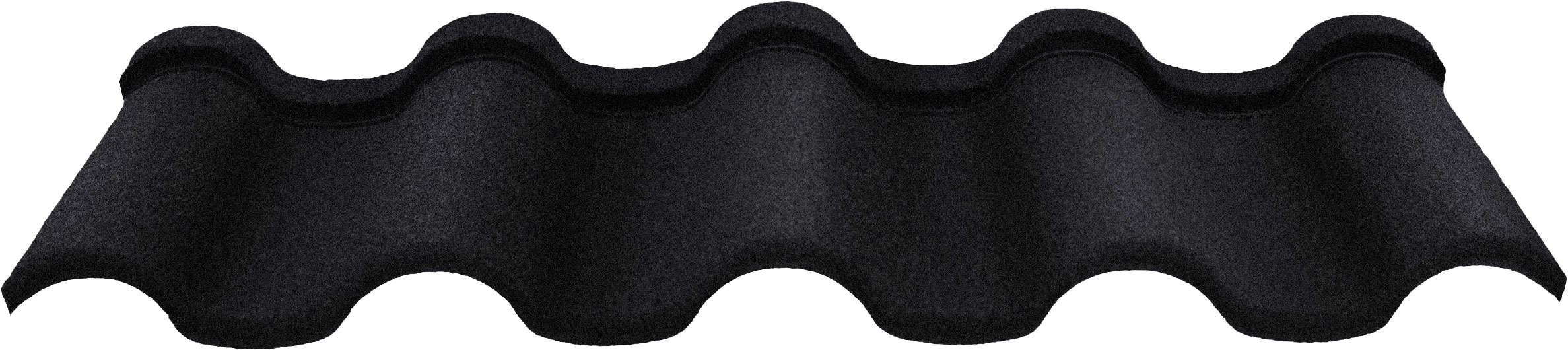
DECRA’s current specification sheet lists five profiles: Villa Tile, Tile, Shingle XD, Shake XD and Shake. The profile presented on this page is Villa Tile, a barrel-style Spanish tile shape. DECRA lists it at a 3:12 minimum roof pitch, a panel size of 17 by 44¼ inches and an installed weight of 160 pounds per roofing square, with a direct-to-deck installation method. If you are weighing a different profile, raise it at the inspection; the written proposal should name the exact product and color.
Stone-coated steel or standing seam?
Standing seam uses long panels joined at raised vertical seams, with the attachment concealed beneath them. It suits clean, contemporary lines. Stone-coated steel uses shorter interlocking panels with a granular surface, so the roof keeps the texture and shadow lines of tile or shake. The choice is mostly architectural: the shape of the house, the neighborhood, and the look you want. Pitch, attachment and trim details differ between the two systems, so compare the complete written assemblies rather than two product photographs.
Weight and the structure below
DECRA states its roofs weigh roughly 1.4 to 1.6 pounds per square foot, and compares a typical DECRA roof of about 3,700 to 4,500 pounds with 18,000 to 45,000 pounds for clay and concrete tile. That difference matters when a home was framed for a lighter roof and the owner wants a tile appearance. A lighter covering is not a substitute for a structural review: the deck, framing and any previous repairs still need to be checked, and the existing roof’s condition decides how much of the deck work the scope must include.
Suitability in Central Texas
Hail
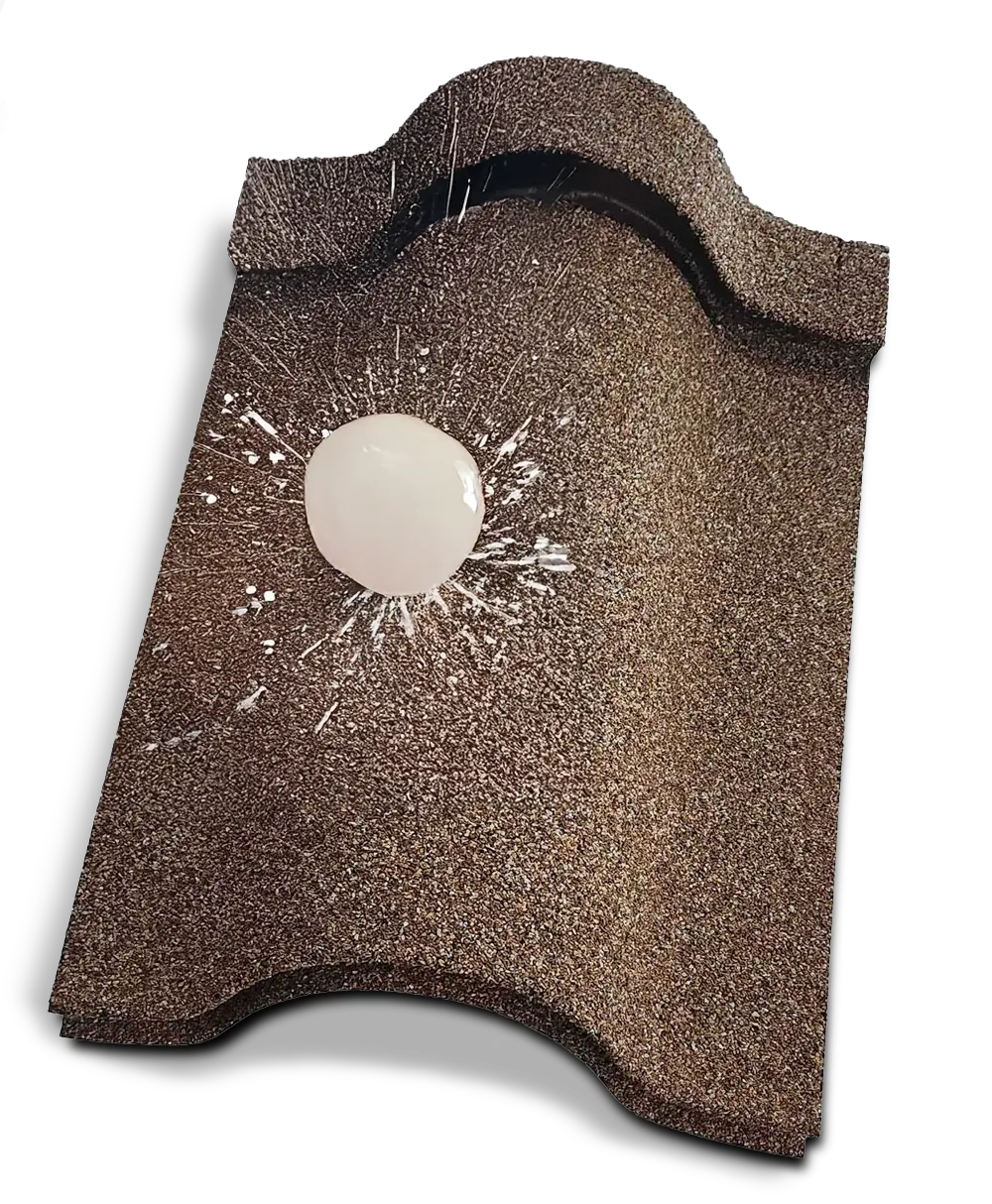
DECRA lists its products under UL 2218 Class 4, the highest class in that impact test, and publishes a hailstone penetration warranty. A Class 4 result is a laboratory classification, not a promise that hail cannot mark a roof. Granule loss or dents can be cosmetic while the panel still sheds water, and warranty and insurance treatment of cosmetic damage varies. Read the current DECRA warranty for the product proposed, and ask your insurer how it treats an impact-rated roof rather than assuming a discount.
Heat and summer sun
Color and surface finish change how a roof responds to sunlight, and DECRA offers designated cool-roof colors. Indoor comfort still depends on attic ventilation, insulation and the rest of the building, so a metal roof on its own is not a guarantee of any particular energy saving. Review intake and exhaust ventilation as part of the same project.
HOA and architectural review
Many Austin-area neighborhoods require approval of roofing material, profile and color before work starts. Bring the specific DECRA profile and color name to that review, and allow time for it in the schedule. DECRA itself advises choosing the final color from an actual product sample rather than a screen or brochure.
Wind, fire and local requirements
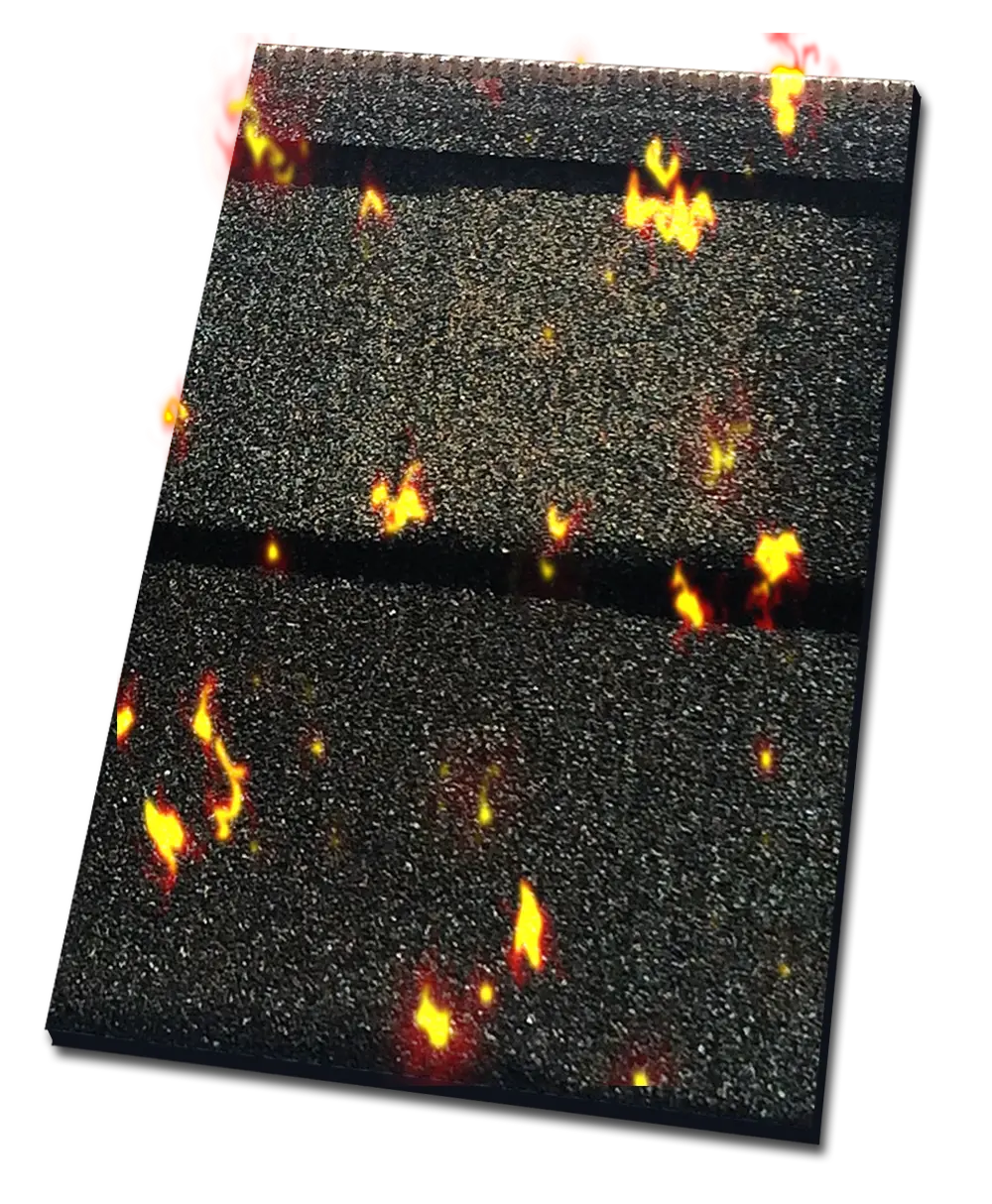
DECRA publishes a 120 mph wind speed warranty, a Texas Department of Insurance wind-resistance report for Villa Tile and a UL 790 fire listing. Parts of Austin fall within mapped Wildland-Urban Interface areas, where roof coverings, vents and other exterior details are reviewed together. Confirm the property’s jurisdiction and permit path before choosing materials; our Austin roofing guide explains what to check.
What the written scope should cover
A DECRA roof is a system of panels, trims, flashings and underlayment. Before signing, make sure the proposal answers each of these in writing:
- The exact DECRA profile, color and accessory components, with the manufacturer’s current installation guide for that profile.
- Removal of the existing roof, disposal, and how damaged decking found after tear-off will be documented and priced.
- Underlayment, valley, wall and chimney flashings, pipe and vent penetrations, and ridge and hip trims.
- Attic ventilation: the intake and exhaust arrangement after the new roof is installed.
- Permits, HOA approval and any Wildland-Urban Interface requirements for the address.
- Which coverage comes from DECRA and which from the installer. DECRA states its Lifetime Limited Warranty applies only to single-family detached homes in the U.S. and Canada, and registration and conditions apply.
- Access, protection of landscaping and driveways, daily cleanup, exclusions and change-order terms.
Plan the next step
Compare DECRA with the other systems in our metal roofing guide, or read how a full roof replacement is planned from inspection to cleanup. For an early budget, the roof calculator uses your measured roof area and a quoted rate. It is a planning tool, not a quote; a price for DECRA on your home comes from an inspection and a written proposal.
DECRA also says the granule surface keeps its roofs quiet in rain. Ask to see an installed stone-coated roof if sound and texture matter to you.
Talk with us about DECRA for your home
Manufacturer information
Read the coverage behind the rating.
DECRA publishes Class 4 impact information and a limited warranty with wind and hail provisions. Ratings are laboratory classifications; warranty coverage has conditions and exclusions. Review the exact product, assembly and written terms for your property.
Discuss DECRA for your roof