
Clear paths for rain.
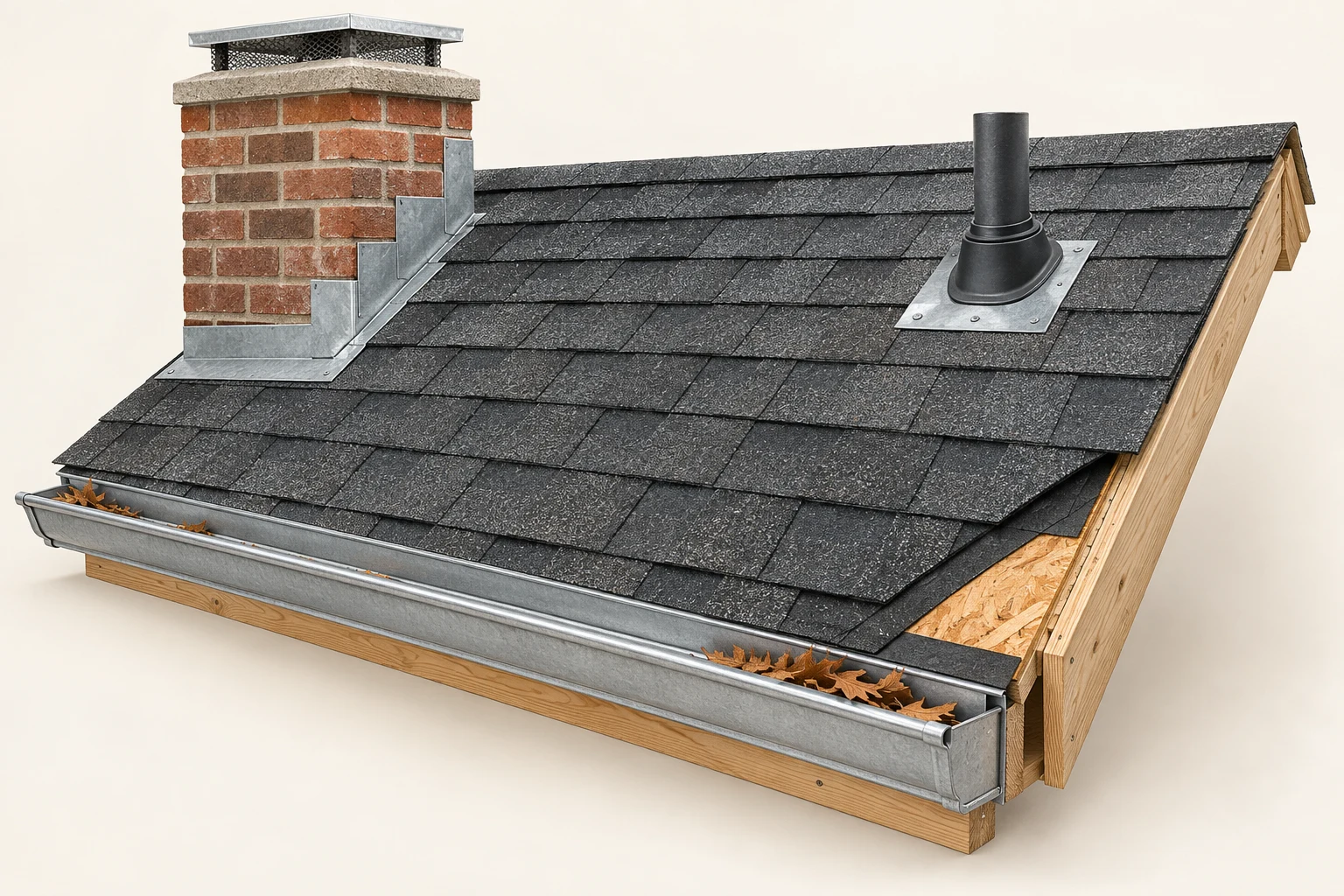
Leaves and debris can interrupt drainage. Check gutters, outlets and valleys, then agree on safe removal where needed.
Roof maintenance · Austin & Central Texas
Know what needs attention before the next storm. Start with a roof inspection, understand the findings, and plan the right maintenance for your home.
Built around Central Texas conditions
Austin’s long, hot summers and spring severe-weather season make a regular roof review a practical habit. Tree debris and intense rainfall add another reason to keep drainage in view. The right plan starts with your roof’s condition—not a generic package.
The maintenance walkthrough
Start with these four checks. The written scope should identify any cleaning, component replacement or localized repairs, with the price and exclusions agreed before work begins.
Dealing with a leak? Explore roof repair. Considering a spray treatment for asphalt shingles? Review roof reconditioning as a separate service.
Leaves and debris can interrupt drainage. Check gutters, outlets and valleys, then agree on safe removal where needed.
Inspect roof-to-wall and chimney details for displacement, corrosion and deteriorated seals. Repairs must preserve water-shedding laps.
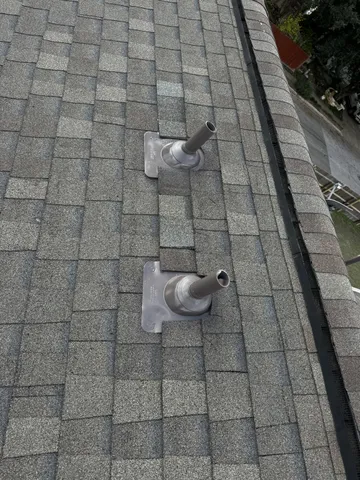
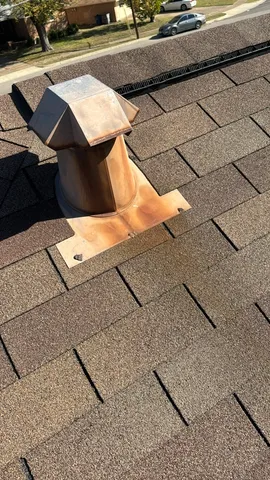
Check boots and roof penetrations for cracks, separation and wear. A failing component may need replacement rather than another surface patch.
Look for lifted or damaged shingles, broken tiles and other changes. Check surrounding materials before deciding what to repair.
A rhythm, not a rigid schedule
Use these checkpoints to plan a conversation. Your roof’s condition and manufacturer guidance determine the visit schedule.
Establish a baseline. Review roof covering, flashing and drainage before the next severe-weather event.
Check safely from the ground after hail, strong wind or a new leak. Arrange an inspection when anything has changed.
Revisit exposed boots, flashings and previously noted wear. Prioritize observed defects rather than replacing sound components.
Review leaf buildup, valleys and gutters. Discuss the next visit based on your roof, trees and manufacturer guidance.
Start with what you’re seeing
A quick planning guide for your conversation with the team.
Review shingle condition, flashing, pipe boots and drainage. Bring your roof’s approximate age and any previous repair records.
Clarity from first visit to follow-up
Discuss roof history, safe access and visible conditions. Ask for photos of the findings so you can understand what the roofer sees.
Separate immediate concerns from routine care. Agree on materials, price, repair limits and any additional-work approval before proceeding.
Review the work and retain dated photos, invoices and product information. Set the next review around the roof’s needs.
From the published portfolio
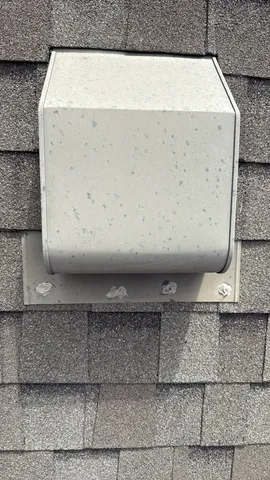
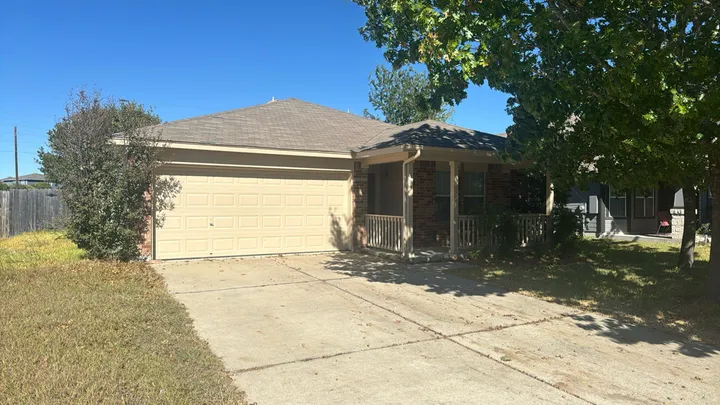
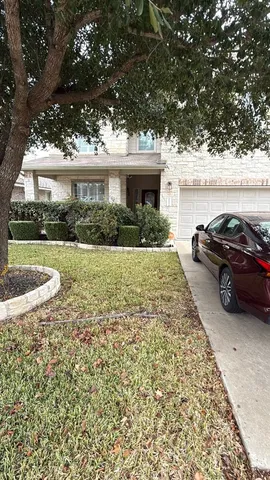
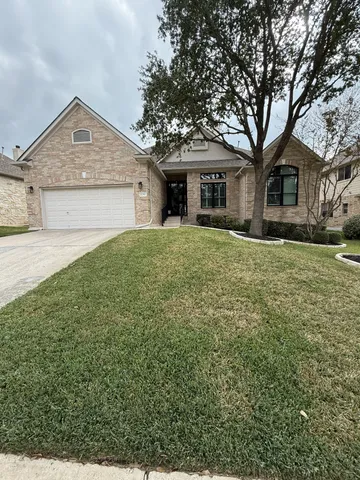
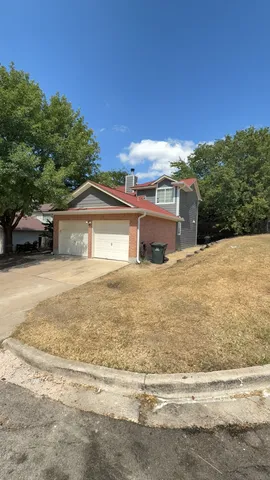
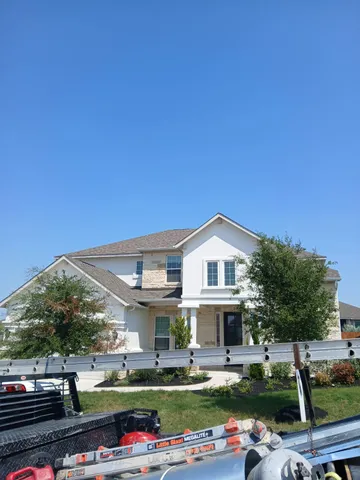
The Avery Ranch project record describes shingle replacement, exposed nail-head sealing, flashing work and checks at roof penetrations. Your scope will depend on your own roof.
Straight answers before you book
Spring and fall are useful reminders to review roof condition and drainage. Significant storms, new leaks or heavy debris call for an earlier check. The professional inspection schedule should follow your roof’s condition, material and manufacturer requirements.
Access, roof size and pitch, material, debris and repair needs determine the scope. Request a written estimate that separates inspection, cleaning and any proposed repairs. No repair work should be assumed to be included before the scope is agreed.
No. Maintenance addresses observed issues and helps track changes; it cannot prevent every storm loss or reveal every concealed defect. Widespread wear or recurring leaks may call for a repair or replacement assessment.
Coverage varies. Keep product and workmanship documents, inspection findings, dated photos and invoices together. Follow the applicable maintenance requirements and check with the warranty provider before work that could affect coverage.
Start with safe observations from the ground and accessible indoor areas. Leave roof access to trained professionals. Avoid pressure washing asphalt shingles or applying a coating without checking the roof manufacturer’s instructions.
Yes. Metal systems need checks appropriate to their seams, coatings and fastening method. Tile needs careful access and attention to broken pieces, flashing and the underlayment beneath. The maintenance method should match the actual assembly.
Care for the roof you have
Tell us about your roof. Texas Professional Roofing can help you work out the next step.
Austin-based team · Discuss availability in Round Rock, Georgetown, Cedar Park, Leander and surrounding communities. Guidance reviewed September 11, 2026. Research & maintenance references
Make an informed roofing decision
Start with what is on the roof and what condition it is in. Appearance, drainage, damaged components and shingle treatment each call for a different scope.
Identify leaves, blocked drainage paths and buildup before agreeing on safe removal. Confirm whether gutter work and disposal are included in the maintenance proposal.
Ask for a cleaning method compatible with the actual roof product. ARMA advises against power washing or using a brush or broom to clean algae from asphalt roofing; those methods can damage it.
A spray-on rejuvenation product is a separate treatment. Ask about eligibility, required repairs, the chosen product and written coverage rather than assuming cleaning or a tune-up includes it.
Keep inspection findings, product documents, dated photos and invoices together so changes can be compared at the next visit. Use the reconditioning guide to review treatment options.
Source: ARMA guidance on algae discoloration.
Where we work
Our office is in Northwest Austin. Open your area for the local roofing guide, documented projects nearby and the details that change a roof in that city.
Explore every service area and local guideRoofing answers
A maintenance inspection reviews roof covering, flashing, pipe boots and drainage. The written scope should specify any debris removal, component replacement or localized repairs and their price. A tune-up is not a universal package; agree on the actual work before it begins.
A tune-up addresses agreed maintenance needs and roof details. Reconditioning is a separate product-specific treatment for eligible asphalt shingles. Neither should conceal an active leak or substitute for necessary repairs. An inspection determines whether maintenance, repair, treatment or replacement is appropriate.
Arrange an inspection when hail, strong wind, new leaks or visible changes raise concerns. Observe safely from the ground and record what changed. For routine care, discuss a schedule based on roof condition, nearby trees and manufacturer guidance; an active leak should be raised when contacting the team.
Answers last reviewed .