
Homeowner Tips
How to Detect Roof Leaks Safely
Learn the visible signs of a roof leak, what to document from a safe location, and when to request a professional roof inspection.
Talk about your roof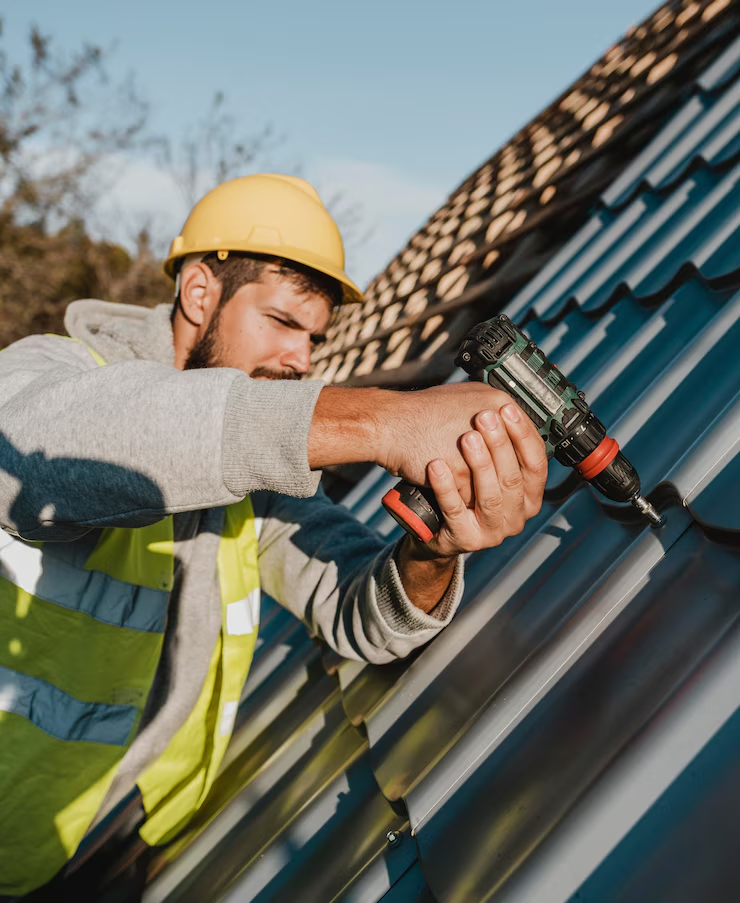
Roof leaks don’t always show up where the problem actually is.
What starts as a small issue can quickly turn into:
- Interior damage
- Mold growth
- Expensive repairs
👉 The key is catching it early and knowing where to look.
Common Signs You May Have a Roof Leak
✔ Water Stains on Ceilings or Walls
Brown or yellow spots are often the first sign.
👉 Even a small stain is worth checking — don’t ignore it.
✔ Dripping Water
If you see active dripping:
👉 The leak has already progressed and needs attention quickly.
✔ Missing or Damaged Shingles
After storms, look for:
- Missing shingles
- Cracked or curling shingles
👉 These are common entry points for water.
✔ Mold or Mildew
If you notice mold near ceilings or in the attic:
👉 Moisture is getting in somewhere.
✔ Musty Smell
A damp or musty smell inside the home can be a hidden sign of a leak.
Where to Check First
🔍 Start in the Attic
This is usually the best place to identify the source.
Look for:
- Water stains
- Damp insulation
- Light coming through the roof
👉 If sunlight can get in, water can too.
🔍 Check Roof Penetrations
Pay close attention to areas around:
- Vents
- Chimneys
- Skylights
👉 These are some of the most common leak points.
🔍 Inspect Flashing
Flashing seals joints and transitions on your roof.
If it’s:
- Cracked
- Loose
- Rusted
👉 Water can get in quickly.
🔍 Look at Gutters & Valleys
Blocked or clogged areas can cause water to back up under shingles.
👉 Keep these areas clean, especially after storms.
When Roof Leaks Usually Show Up
Most leaks become noticeable:
👉 During or right after heavy rain
If you see new stains or moisture after a storm, it’s worth getting checked.
Temporary Fixes (Short-Term Only)
If you’re in a pinch:
- Tarp the affected area
- Catch water inside to limit damage
👉 These are temporary — not permanent solutions.
When to Call a Professional
You should bring in a roofing professional if:
- You can’t find the exact source
- The leak keeps coming back
- There’s visible roof damage
- You want to avoid guessing
👉 Roof leaks can be deceptive — what you see inside is often not where the problem starts.
Roof Leak Repair in Austin
In the Austin area, we commonly see leaks caused by:
- Storm damage
- Aging roofs
- Flashing failures
- Poor previous repairs
At Texas Professional Roofing, we take a straightforward approach:
- Identify the true source of the leak
- Fix the cause — not just the symptom
- Help prevent future issues
Roof Leak Repair FAQs
Can a small leak turn into a big problem?
Yes — water damage spreads quickly if not addressed.
Should I try to fix a roof leak myself?
Minor issues maybe, but most leaks require proper diagnosis.
Why is the source hard to find?
Water travels — where you see it isn’t always where it starts.
How fast should I act on a leak?
As soon as possible to prevent further damage.
What would you like to do next?
Start with a number, book a look at the roof, or just ask.