
Roofing materials · Texas Professional Roofing
Find the right material.
Plan the whole roof.
Shingles, metal, tile, slate or a commercial membrane. Explore the options, understand the differences and start with what your building needs.
Discuss your roof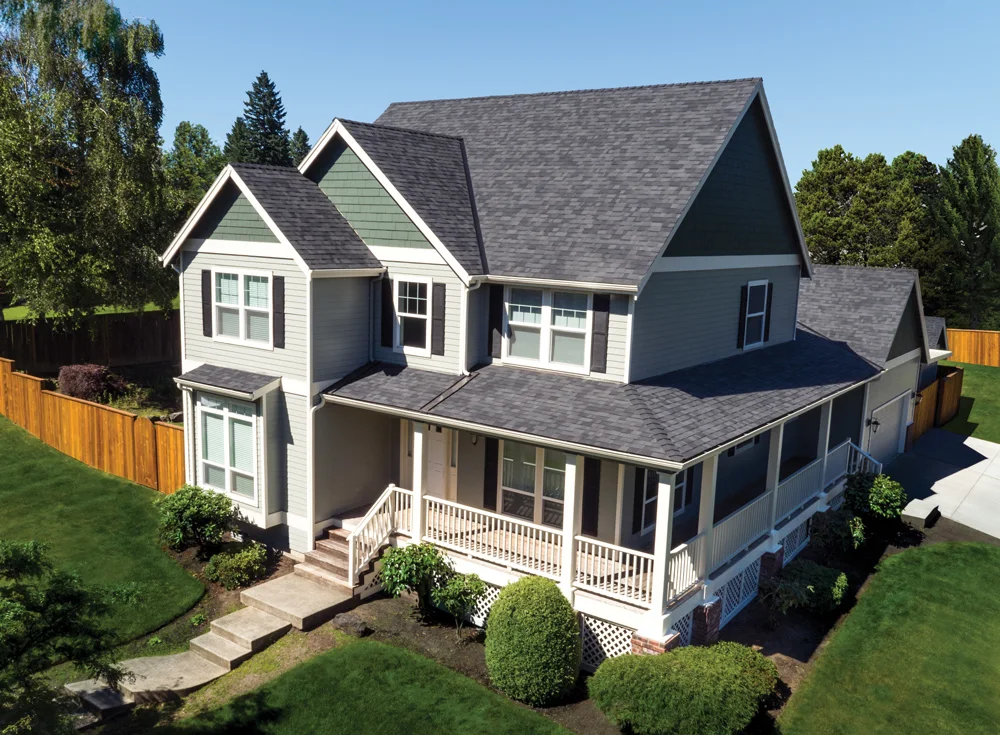
Architectural & traditional profiles
Asphalt shingles
A familiar roof with a wide range of colors and profiles. Compare the exact shingle, the accessories and the complete installation.
- Architectural shingles create a layered appearance; traditional three-tab shingles have a flatter, repeated pattern.
- Compare the selected product’s wind and impact ratings, color availability and written warranty.
Shingle products we install
Malarkey: Highlander Class 3 · Vista Class 4
IKO: Cambridge · Dynasty · Nordic
GAF: Timberline HDZ · Royal Sovereign · Timberline Natural Shadow · Timberline ArmorShield II
Owens Corning: Oakridge · Supreme · TruDefinition Duration · TruDefinition Duration STORM
Atlas: Pinnacle Pristine
Confirm the current specifications and available colors for the exact product before ordering.
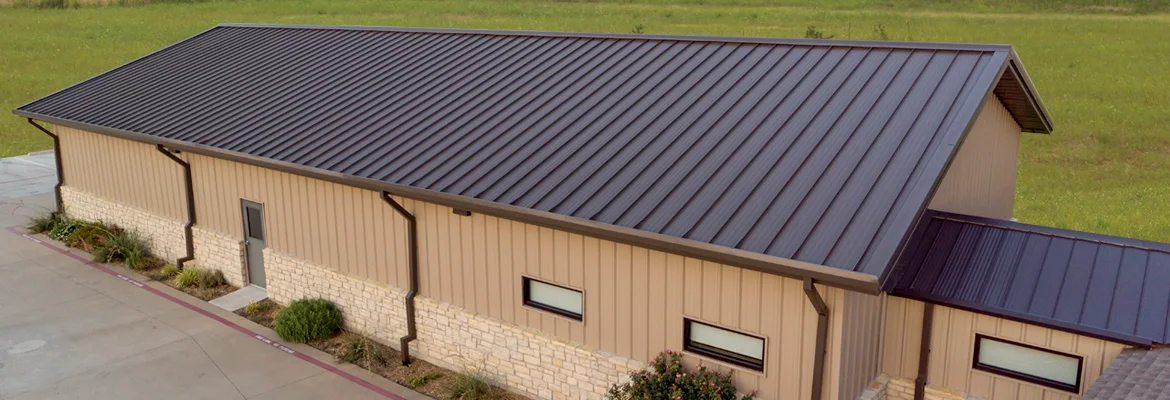
Clean lines & distinctive profiles
Metal roofing
From standing seam to tile-shaped steel, metal offers several very different roof styles. Start with the profile that suits the building.
- Compare standing seam, exposed-fastener panels and stone-coated steel as different systems.
- Discuss the substrate, fasteners, finish, flashing and roof slope together.
Which metal profile fits?
Standing seam: raised seams create long, clean roof lines.
R-panel & corrugated: ribbed profiles with their own fastening and maintenance requirements.
Stone-coated steel: a textured metal roof that can resemble tile. It is a different material from clay or concrete tile.
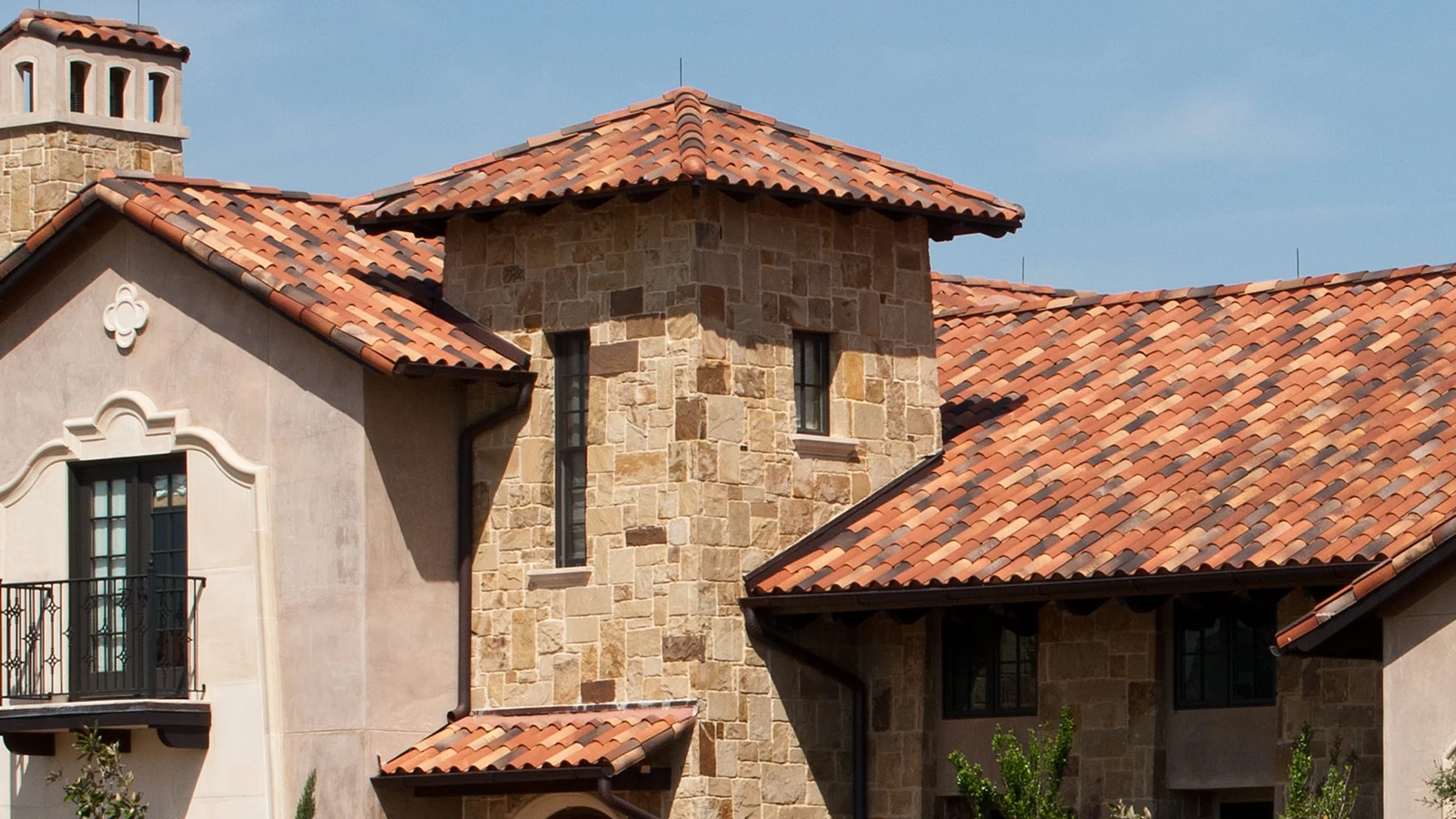
Texture, character & a fired-clay finish
Clay & ceramic tile
The terracotta look is only the beginning. Tile roofing brings distinctive shapes and surface texture, with the roof underneath playing an essential role.
- Check structural suitability, underlayment, flashing and drainage before choosing a tile system.
- For repairs, compare replacement tile availability and the condition beneath the damaged area.
What should be in the proposal?
Identify the tile material, profile, color, attachment method and underlayment. Confirm how valleys, edges and penetrations will be detailed. Clay, ceramic and metal tile-look systems should not be treated as interchangeable.
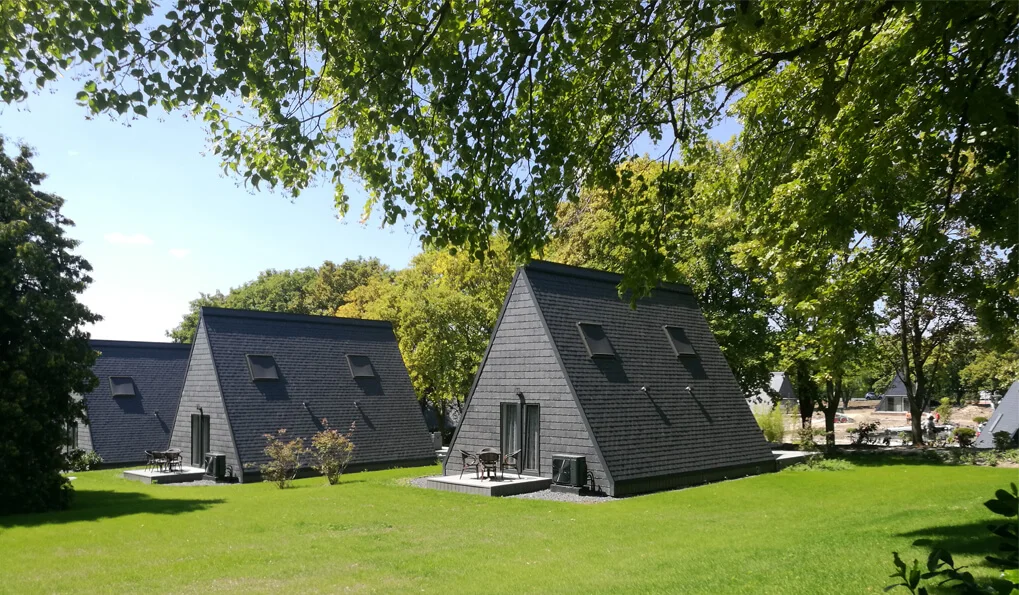
Real stone. Individual character.
Natural slate
A natural-stone roofing option included in our original commercial materials offering. Selection begins with the building and the proposed installation.
- Assess the structure and the weight of the complete assembly.
- Compare slate dimensions, thickness, attachment and flashing details; confirm specialist installation scope.
Plan around the whole assembly
Ask how the proposed slate will be sourced and matched, how roof access will be managed, and what repair and maintenance records you will receive. Confirm availability and suitability for your specific property.
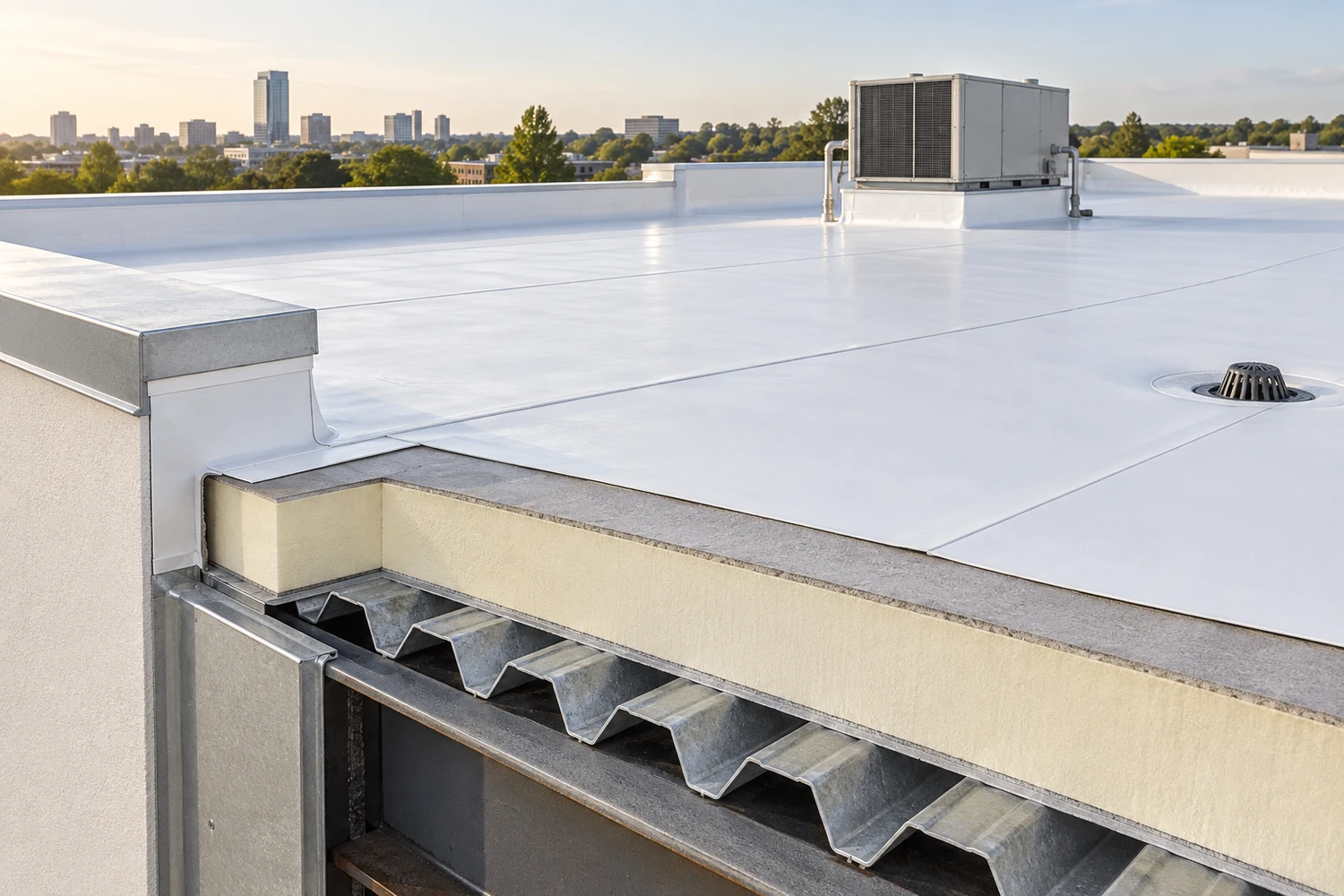
TPO · PVC · EPDM
Single-ply roofing
For commercial low-slope roofs, the membrane is part of a system that includes insulation, attachment, seams, flashing and drainage.
- Compare TPO, PVC and EPDM against the building’s use and existing roof conditions.
- Specify insulation, attachment, penetrations, drainage and the inspection scope in writing.
Three membrane families
TPO & PVC: thermoplastic membrane systems with welded seams.
EPDM: a rubber membrane system with its own seam and attachment methods.
The right specification depends on the property. The cutaway shows a white membrane assembly; it is not a specification for every TPO, PVC or EPDM system.
Make the comparison count
A material is a starting point.
A written scope is the plan.
Bring your preferred look and your property details. Compare the roof condition, structure, installation, complete price and written coverage before deciding.
Material categories and shingle families reflect our original website. Manufacturer images illustrate materials, not Texas Professional Roofing projects or installer credentials. Exact products, colors and suitability are confirmed for each project.
Where we work
Shingle roofing across Austin and Central Texas.
Our office is in Northwest Austin. Open your area for the local roofing guide, documented projects nearby and the details that change a roof in that city.
Explore every service area and local guide- Shingle roofing in Austin
- Shingle roofing in Avery Ranch
- Shingle roofing in Cedar Park
- Shingle roofing in Georgetown
- Shingle roofing in Hutto
- Shingle roofing in Lakeway
- Shingle roofing in Leander
- Shingle roofing in Liberty Hill
- Shingle roofing in Pflugerville
- Shingle roofing in River Place
- Shingle roofing in Round Rock
- Shingle roofing in Steiner Ranch
- Shingle roofing in Westlake
- Shingle roofing in Dallas
- Shingle roofing in Fort Worth
- Shingle roofing in Waco
- Shingle roofing in Houston
- Shingle roofing in San Antonio
Roofing answers
Roofing material questions, answered.
What types of roofing materials do you install?
We install asphalt shingles, impact-resistant shingles, standing seam metal roofing, stone-coated steel roofing, TPO roofing systems, and other residential and commercial roofing materials. Learn more about our roofing material options .
What roofing materials do you recommend for Texas weather?
Compare the exact product with your roof’s slope, structure, appearance and maintenance needs. Impact ratings describe laboratory testing; they do not make a roof hail-proof. Compare shingle options
How much does a new roof typically cost in Texas?
Roof replacement costs in Texas vary based on roof size, roofing materials, roof complexity, and decking condition. Texas Professional Roofing offers free estimates and an online roof cost calculator to help homeowners budget for a new roof.
Answers last reviewed .
What does an impact rating tell me?
An impact rating describes performance under a specified laboratory test. It does not make a shingle hail-proof or guarantee insurance coverage, a premium discount, or the performance of the entire installed roof. Compare the exact product, color, installation requirements, and current manufacturer warranty before choosing.
Manufacturer explanation of impact testing