

Skip to content
Explore Texas Professional Roofing

Metal Roofing Systems

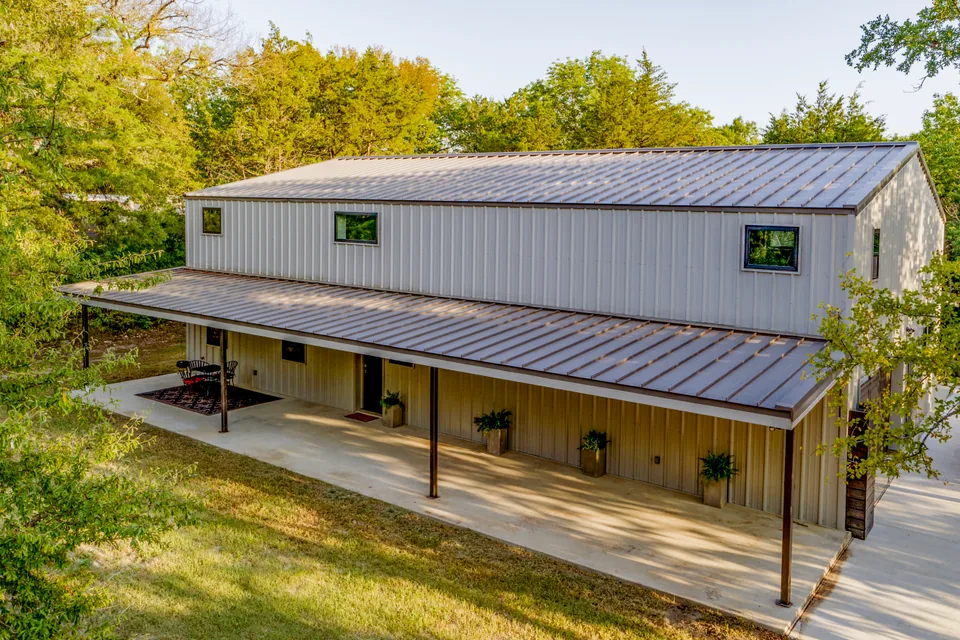
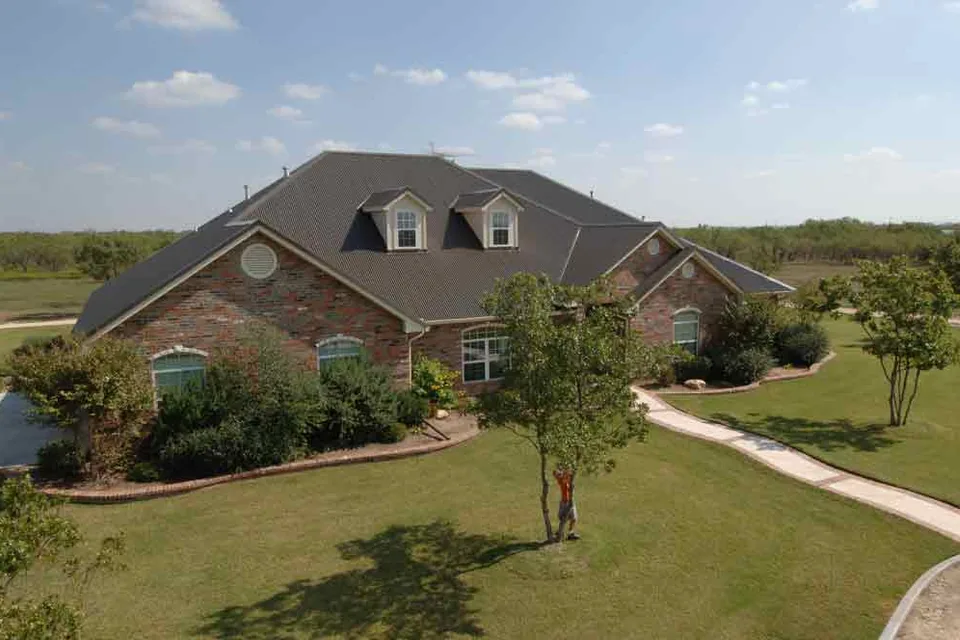
Installed standing seam metal roof with raised vertical seamsManufacturer reference · Mueller
MuellerRoofing manufacturer

Concealed-fastener system

Standing seam

A crisp architectural profile with raised vertical seams and concealed clips or fasteners.

A strong fit when the home calls for clean lines and a refined contemporary finish.

Explore the profile
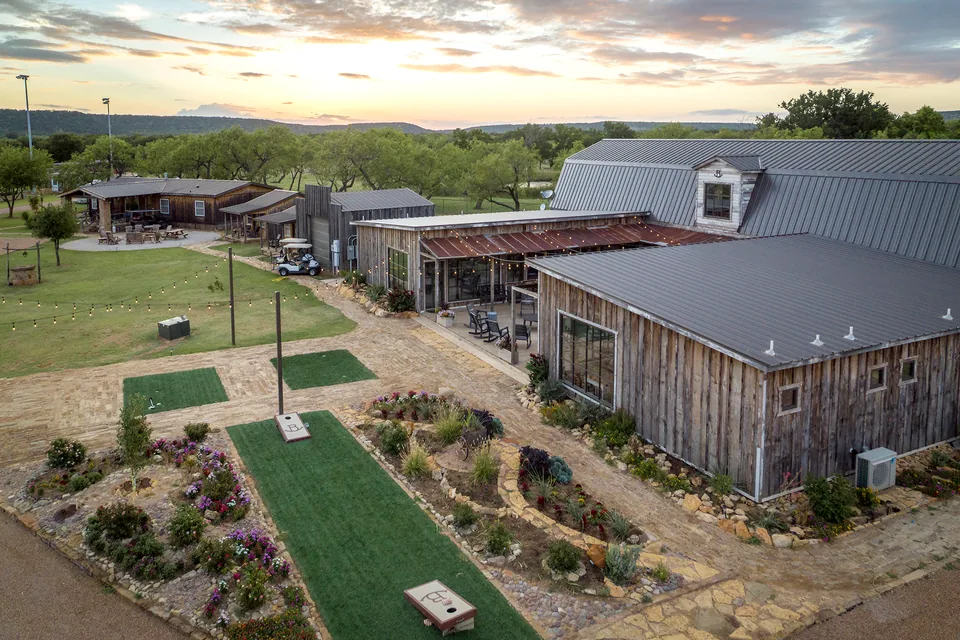
Installed ribbed R-panel metal roofing on a rural propertyManufacturer reference · Mueller
MuellerRoofing manufacturer

Exposed-fastener system

R-panel

A ribbed metal panel commonly considered for workshops, rural properties, and small commercial buildings.

Compare panel gauge, coating, fastener layout, trim, and maintenance expectations in the written scope.

Review installation
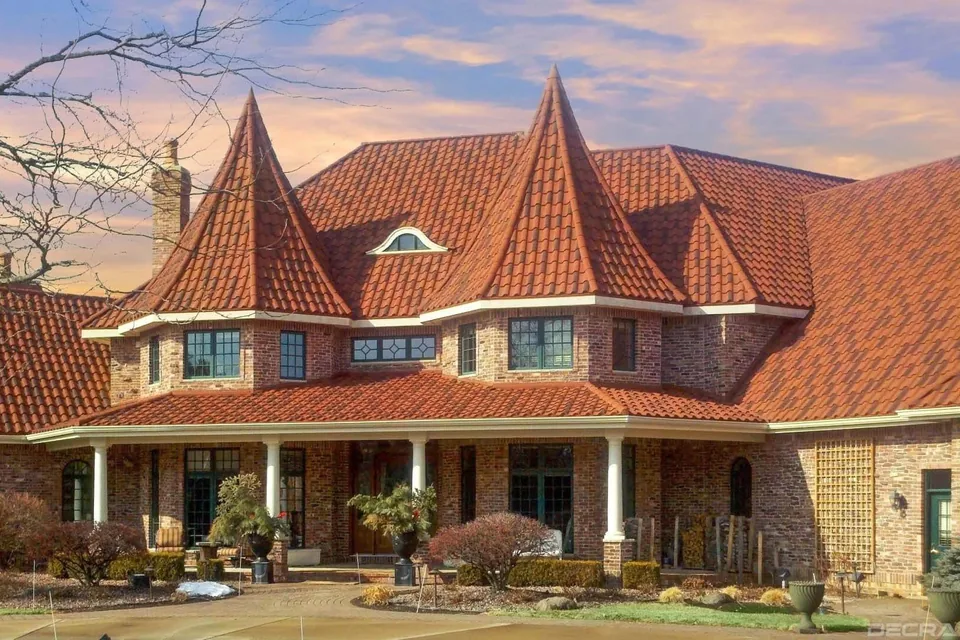
Installed DECRA Villa Tile stone-coated steel roofVilla Tile reference · DECRA
DECRA Metal RoofingRoofing manufacturer

Dimensional metal system

Stone-coated steel

Formed steel panels finished with stone granules for the visual character of tile, shake, or shingles.

Explore DECRA Villa Tile for a dimensional tile appearance in stone-coated steel.

View DECRA Villa Tile
Installed corrugated metal roof on a residential propertyManufacturer reference · Mueller
MuellerRoofing manufacturer

Exposed-profile system

Corrugated metal

A repeating wave profile with a direct, recognizable metal-roof appearance.

Often considered for rural, utility, and modern farmhouse architecture where the profile is part of the design.

Compare metal styles

Plan the complete assembly

Bring the property, priorities, and preferred profile into one professional conversation.

Discuss metal roofing
Installation details and frequently asked questions
Details that make a difference

The profile is only the beginning.

A metal roof is a system of panels, fastening, underlayment, flashing, and movement details. Compare those parts alongside the finished appearance shown in the collections above.

Standing seam or exposed fasteners

Concealed-fastener systems keep the primary attachment beneath seams or panels. Exposed-fastener systems have visible attachment points and seals that need attention over time. The correct pitch, attachment, and panel detailing depend on the selected product.

Coatings and heat

Color and coating affect how the roof surface responds to sunlight. Insulation, ventilation, and the building assembly also influence indoor comfort. A metal roof alone is not a guarantee of a particular energy saving.

Hail and appearance

Impact ratings describe specific tests. A roof can remain functional while showing cosmetic dents, and coverage for appearance varies. Review the selected panel’s test reports and warranty treatment of cosmetic damage.

Installation and long-term care

Plan transitions, penetrations, dissimilar-metal compatibility, panel movement, and safe maintenance access. Use the manufacturer’s cleaning and inspection guidance for the coating, seams, and fasteners actually installed.

Questions before you begin

How long will a metal roof last?

Service life depends on the panel, coating, environment, installation, and maintenance. Compare current manufacturer documents and the condition of the complete assembly rather than relying on a single lifespan promise.

Can metal be installed over an existing roof?

A site assessment is needed to review existing layers, deck condition, moisture, loading, local requirements, and manufacturer instructions. Covering unresolved deterioration can make a later repair more difficult.

Should I check neighborhood requirements?

Before ordering, check any property-specific architectural approval process for permitted profiles, colors, and finishes. Include that timing in the project plan.

Compare the profiles

Four ways to finish a metal roof.

Standing seam

A crisp architectural profile with raised vertical seams and concealed clips or fasteners.

Where it fits

A strong fit when the home calls for clean lines and a refined contemporary finish.

What to consider

Concealed fastening keeps the fixing method out of view. Panel width, seam type, substrate and thermal movement need to be specified for the roof.

Installed standing seam metal roof with raised vertical seams

Manufacturer photography · Mueller

R-panel

A ribbed metal panel commonly considered for workshops, rural properties, and small commercial buildings.

Where it fits

Compare panel gauge, coating, fastener layout, trim, and maintenance expectations in the written scope.

What to consider

Exposed fasteners need appropriate installation and inspection over time. Compare roof slope, coating, trim, fastening and maintenance alongside the price.

Installed ribbed R-panel metal roofing on a rural property

Manufacturer photography · Mueller

Stone-coated steel

Formed steel panels finished with stone granules for the visual character of tile, shake, or shingles.

Where it fits

Explore DECRA Villa Tile for a dimensional tile appearance in stone-coated steel.

What to consider

Compare tile appearance, substrate, fastening and accessory details with the DECRA installation guide. Review a full-roof example and current physical samples.

Installed DECRA Villa Tile stone-coated steel roof

Manufacturer photography · DECRA Metal Roofing

Corrugated metal

A repeating wave profile with a direct, recognizable metal-roof appearance.

Where it fits

Often considered for rural, utility, and modern farmhouse architecture where the profile is part of the design.

What to consider

A wave profile creates a distinctive texture. Confirm that the exact panel is suitable for roofing, the intended slope, and the required fastening and weather details.

Installed corrugated metal roof on a residential property

Manufacturer photography · Mueller

How do I compare metal roofing systems?

Start with the roof slope, the shape of the building, and the appearance you want. Then compare the fastening system, panel profile, coating, installation details, and maintenance requirements. Standing seam, exposed-fastener panels, and stone-coated steel have different assemblies; a product photograph alone is not a specification.