
Roof Inspection
Roof Inspection Checklist for Austin Hailstorms
Use this roof inspection checklist to prepare your Austin home for hail storms and avoid costly damage.
Talk about your roof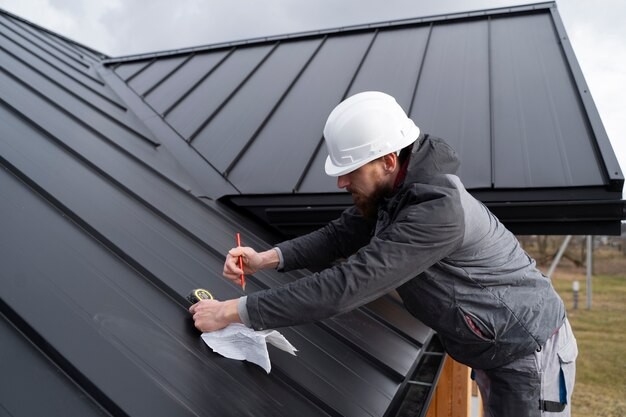
Hailstorms in Austin don’t give much warning—and when they hit, they can do serious damage fast.
The best way to protect your home isn’t after the storm…
👉 it’s making sure your roof is ready before it hits.
Here’s a simple checklist to help you reduce the risk of damage and avoid costly repairs.
Why Pre-Storm Inspections Matter
A pre-storm inspection can identify existing defects, but sound roofing can still be damaged by hail. Do not assume that most storm damage was preventable.
Things like:
- Loose shingles
- Worn flashing
- Minor previous damage
These are existing conditions worth assessing; they do not predict which areas a future hailstorm will strike.
Pre-Storm Roof Inspection Checklist
✔ Check for Damaged or Loose Shingles
Look for:
- Missing shingles
- Cracked or curling shingles
- Areas that look worn or thin
Record visible changes from the ground. Do not climb the roof to inspect individual shingles.
✔ Inspect Flashing and Sealed Areas
Pay attention to:
- Chimneys
- Roof vents
- Skylights
If flashing is:
- Loose
- Cracked
- Poorly sealed
👉 Water can get in quickly during a storm.
✔ Clean Gutters and Roof Valleys
Blocked areas can cause:
- Water backup
- Overflow under shingles
- Increased risk of leaks
👉 Make sure water has a clear path off your roof.
✔ Check for Soft Spots or Sagging
If the roofline looks uneven, keep clear of suspect areas and arrange a professional assessment. Do not walk or press on the roof to test for softness.
👉 There could already be moisture or structural issues present.
These areas are more likely to fail during a storm.
✔ Look Inside the Attic
Observe only from a safe access point with suitable flooring. Do not enter a hot, damaged or electrically unsafe attic. From a safe location, note:
- Water stains
- Damp insulation
- Signs of previous leaks
👉 If there’s already an issue, a storm will make it worse.
What Actually Helps Protect Your Roof From Hail
For most Austin homes, the biggest factors are:
- Overall roof condition
- Quality of materials (Class 3 or Class 4 shingles)
- Proper installation
- Good ventilation
An impact classification is a laboratory result, not a promise of a hail-proof roof. UL’s impact-testing explanation explains testing context. Do not treat ventilation, a coating or an inspection as a substitute for the exact product and assembly requirements.
When to Schedule a Professional Inspection
You should consider a professional inspection if:
- Your roof is 10+ years old
- You’ve had previous storm damage
- You’re unsure about your roof’s condition
- Storm season is approaching
👉 A quick inspection now can prevent a much bigger problem later.
Why Working With the Right Roofing Company Matters
A knowledgeable roofing company will:
- Identify weak spots before storms hit
- Recommend repairs (not push replacement)
- Help you understand your roof’s real condition
👉 This is how you avoid surprises after the storm.
Roof Inspections in Austin & Central Texas
At Texas Professional Roofing, we help homeowners:
- Prepare their roofs before storm season
- Identify issues early
- Make smart decisions about repairs vs replacement
Whether you need:
- A quick check
- A second opinion
- Or peace of mind
👉 We’re here to help.
Final Thoughts
You can’t stop a hailstorm—but you can make sure your roof is ready for it.
An inspection can document condition and identify repairs; a specific future saving cannot be promised.
FAQs
How often should I check my roof in Texas?
At least once a year—and before storm season.
Do I need a professional inspection?
If you’re unsure or your roof is aging, yes—it’s worth it.
Do roof coatings help with hail?
Not for most residential roofs—materials and installation matter more.
What is the biggest risk before a storm? It depends on the roof and storm. Existing defects deserve repair, but a sound roof can still suffer damage. Document condition and avoid unsafe roof access.
What would you like to do next?
Start with a number, book a look at the roof, or just ask.